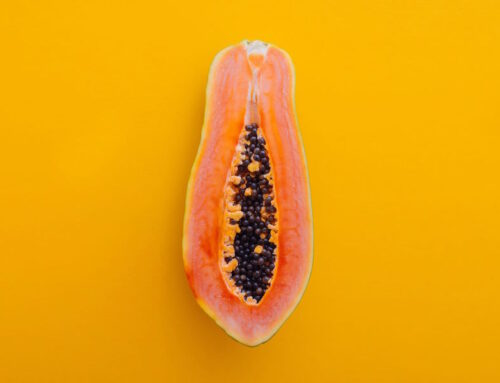
This blog post explores what a fertility-supportive diet looks like before conception. It offers practical advice on daily meal planning and the nutrients needed to support egg and sperm health, implantation, and pregnancy success.
Before we look at what a fertility diet should contain, let’s understand a bit about what’s going on in our bodies when we’re trying to get pregnant and how our diets can negatively affect our fertility.
Inflammation is an important topic when we’re considering what might be behind us not being able to conceive. Inflammation is a normal response by our immune systems to help us repair damage from infection or injury.¹
To do this the immune system releases important inflammatory messengers like cytokines and once resolved completely, the inflammatory response stops, and the immune system returns to balance.² If the problem isn’t resolved completely, the immune system will remain imbalanced and these cytokine messengers can remain high, leading to our bodies being in a state of chronic inflammation.³
So how does this chronic inflammation affect our fertility? Processes like ovulation, menstruation, implantation, placentation, and pregnancy itself need these inflammatory pathways working optimally.¹ Research indicates that couples with a diagnosis of unexplained fertility or women diagnosed with premature ovarian failure have a greater number inflammation promoting cytokines compared with those that promote a reduction in inflammation, which leads to a state of chronic inflammation in the body.¹
Poor dietary choices can contribute to the increase of these inflammatory cytokines.4 What we eat, when we eat and how we prepare food has significant impacts on the levels of chronic inflammation in our bodies.4
Nutrients for Optimal Egg & Sperm Health: What should we prioritise pre-conception?
Recent evidence suggests that many foods and nutrients from foods (especially chemicals produced by plants called phytochemicals) can help balance our immune systems and lower inflammation1 to help to improve our reproductive function/chances of getting pregnant.5 The same nutrients are helpful for optimising sperm and egg health so you should both switch to a heathier way of eating to improve your chances of conception.
Brightly coloured vegetables and fruit
Firstly, make vegetables and fruit the heroes of your diet as they contain the antioxidants and nutrients to support good quality eggs and sperm.1 Choose from all the colours of the rainbow when selecting what to have with each meal, so you have a colourful plate and tick off all colours throughout the day. Aim for at least three portions of vegetables for lunch and dinner (that’s about half your plate) and add in a couple of portions for breakfast as often as you can. This will also help you increase your fibre intake, which is helpful for keeping your gut healthy, and therefore balancing your immune system, and regulating your hormones to support your chance of getting pregnant.6
Proteins
Next, choose a good quality source of protein for each meal to help with growth and repair of reproductive tissue and hormones, and keep blood sugar balanced.6 Eggs are a great choice for breakfast. Aim for two large eggs and an omelette with mushrooms, tomatoes and spinach will help you hit your veggie goals too, plus is ready in a few minutes. Poached eggs with a little smoked salmon, wilted spinach and asparagus are also a great balanced option, the fish giving you extra protein and healthy fats, and you’re also getting your veg in.
Meat, poultry and fish provide the highest amounts of protein per gram, and you should aim for a palm-sized portion (around 100-125g or a quarter of your plate) for most lunches and dinners. Choose organic and grass-fed or free range where possible. Limit red meat to a couple of times per week and make sure this is organic and grass-fed to avoid the negative effect some of the hormone-disrupting elements of other farming types may have on fertility.7
Plant-based proteins include nuts and seeds, beans and pulses and soy products.
Aim for two small handfuls of nuts and seeds each day. You can eat them on their own with a small amount of dark chocolate (aim for at least 70% if not 85% cacao content), or sprinkle on salads and main dishes. If you are choosing soy, make sure it’s from an organic source. Tofu blocks are great to add to stir fry’s and silken tofu is a great protein boost for sauces and smoothies, instead of dairy milk. Swap out your animal protein for beans, pluses or soy 2-3 times per week to help support optimal fertility.7 Soy typically has a higher protein per gram than beans and pulses, so you will need to eat larger portions when using beans or pulses or add in extra nuts and seeds to your meal. Adding in a small portion of quinoa or brown rice (about an eighth of your plate) will nudge up the protein a little and provide some important fibre.
Healthy fats
Finally, ensure you are having a small amount of healthy fats like olive oil, avocado, egg yolk, oily fish, nuts and seeds, with every meal. They help build health reproductive cell membranes, help us absorb vitamins A, D, E and K, and are important for helping us make our sex hormones, crucial for optimising fertility. Aim for a tablespoon of olive oil with each meal, a quarter of an avocado, or a palm sized portion of salmon, trout, mackerel or sardines. Making sure you have your handfuls of nuts and seeds each day will also count.
Foods to Avoid: What to skip to optimise fertility
Typical Western-style diets high in saturated fats, animal proteins and refined carbohydrates like sugar are strictly correlated with both female and male infertility.8 These foods tend to increase inflammation in our bodies and are often eaten in quantities that leave little room for fresh vegetables and fruit, plant proteins and fibre on our plates. 4 They have been found to lead to low sperm concentration and a higher risk of PCOS which can lead to fertility issues.9 Try to limit or avoid the following foods.
Sugary foods & refined baked goods
These processed carbohydrates have a high glycaemic index which means they are broken down into glucose and released into the blood stream quickly, especially if they are eaten on their own without any protein, fat or fibre to slow this process down.8 Consuming too many sweet treats can lead to blood sugar imbalances which can impact sperm production and motility and higher than optimal male sex hormones and impair ovulation.8
Saturated fats and cholesterol
Consumed in too high quantities, these can lead to lowered testosterone and sperm concentration and motility.8 Saturated fats are found in butter, cheese, dairy- or grain-based desserts, fast food and processed meat products such as sausages, bacon and ham.8 Processed foods also contain lots of ingredients listed you won’t recognise that can have a negative impact on the digestive system and lead to gut inflammation.10
Alcohol
Is a controversial subject when it comes to fertility and whether you choose to have the occasional glass of wine or two when you’re trying to get pregnant often depends on your fertility journey to date and how difficult and traumatic it’s been. The evidence is a little mixed, but one study found alcohol consumption in addition to smoking impaired embryo development and drinking alcohol is known to affect foetal development in pregnancy.7
Smoking
Is a big no for fertility and pregnancy. It is associated with a rapid decline in ovarian reserve, lower success rate in assisted reproduction, an increased risk of spontaneous miscarriage and significantly reduced sperm motility and morphology.11 It has been shown to strongly decrease sperm and egg quality.7
Do you need personalised nutrition support for your fertility journey?
Every person’s fertility experience is different. If you would like tailored advice and support to optimise your diet when trying to conceive, I offer 1:1 consultations to help you create a personalised nutrition plan.
Get in touch to book a free fertility review worth £100 to find out how you can improve your chances of getting pregnant.
References & links
- Fabozzi, G. et. al. (2022) ‘Personalized Nutrition in the Management of Female Infertility: New Insights on Chronic Low-Grade Inflammation’, Nutrients, 14, 1918. https://doi.org/10.3390/nu14091918
- Fullerton, J. and Gilroy, D. (2016) ‘Resolution of inflammation: A new therapeutic frontier.’ Nature Reviews Drug Discovery. Aug;15(8):551-67 doi: 10.1038/nrd.2016.39.
- Chen, L., et al. (2018) ‘Inflammatory responses and inflammation-associated diseases in organs’, Oncotarget, Vol. 9, (No. 6), pp: 7204-7218. https://pmc.ncbi.nlm.nih.gov/articles/PMC5805548/
- Furman, D. et al. (2019) ‘Chronic inflammation in the etiology of disease across the life span.’, Nature Portfolio, 25(12):1822-1832, DOI: 10.1038/s41591-019-0675-0
- Minihane, A. et al. (2015) ‘Low-grade inflammation, diet composition and health: current research evidence and its translation’, British Journal of Nutrition, 31;114(7):999–1012. doi: 10.1017/S0007114515002093
- Shukla, S. and Shirvastava, D. (2024) ‘Nutritional Deficiencies and Subfertility: A Comprehensive Review of Current Evidence’, Cureus, 8;16(8):e66477. doi: 10.7759/cureus.66477
- Braga, D. et al (2015) ‘The impact of food intake and social habits on embryo quality and the likelihood of blastocyst formation’, Reproductive BioMedicine, http://dx.doi.org/10.1016/j.rbmo.2015.03.007
- Cristodoro, M. et al. (2024) ‘Dietary Patterns and Fertility’, Biology, 13(2):131. doi: 10.3390/biology13020131
- Salvaleda-Mateu, M. (2024) ‘Do Popular Diets Impact Fertility?’, Nutrients, 16(11):1726. doi: 10.3390/nu16111726
- Naimi, S. et al. (2021) ‘Direct impact of commonly used dietary emulsifiers on human gut microbiota’, Microbiome, 22;9(1):66. doi: 10.1186/s40168-020-00996-6
- Silvestris, E. at al. (2019) ‘Nutrition and Female Fertility: An Interdependent Correlation’, Frontiers in Endocrinology, 0:346. doi: 10.3389/fendo.2019.00346